

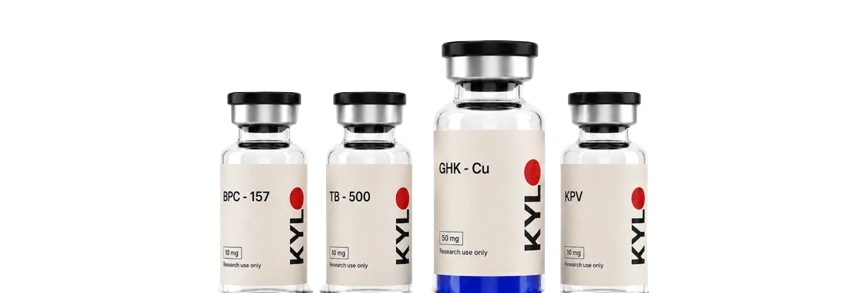
When evaluating the claims surrounding BPC-157, a peptide gaining traction for its purported healing properties, it’s crucial to approach the subject with a discerning eye. As with any supplement or treatment not thoroughly vetted by regulatory bodies like the FDA, understanding both the scientific foundation and anecdotal evidence is vital.
First and foremost, consider the source of information. Peer-reviewed journals are ideal as they provide research that has undergone rigorous evaluation by experts in the field. However, given that BPC-157 is still relatively new to mainstream science, many claims may stem from preliminary studies or non-peer-reviewed sources. It’s essential to discern between scientifically backed data and marketing hype.
Next, examine the methodology of any studies you encounter. A strong study will have a well-defined sample size, control groups, and clear variables. Studies involving small sample sizes or lacking control groups may yield less reliable results. Furthermore, animal studies often precede human trials; while promising results in animals can be encouraging, they do not always translate directly to humans due to physiological differences.
Another important factor is potential biases in research or reporting. Financial conflicts of interest can influence study best BPC-157 outcomes and interpretations—always check who funded a study or if authors have affiliations with companies selling BPC-157 products.
Additionally, evaluate anecdotal evidence carefully. While personal testimonials can offer insights into individual experiences with BPC-157, they lack scientific rigor and are subjective by nature. Anecdotes should never replace clinical evidence but can complement it when considered cautiously alongside other data points.
Understanding legal regulations surrounding BPC-157 is also critical since these vary globally. In some countries, it might be classified as an investigational compound rather than an approved drug or supplement—this affects both its availability and how it’s marketed legally.
Moreover, pay attention to dosage recommendations provided in different sources; discrepancies might indicate gaps in research about optimal dosing for efficacy versus safety concerns like side effects—which remain under-studied at this point due largely because comprehensive long-term human trials are scarce compared against more established treatments/supplements already on market shelves today!
Lastly: consult healthcare professionals before starting any new treatment regimen involving peptides such as BCP 157!