

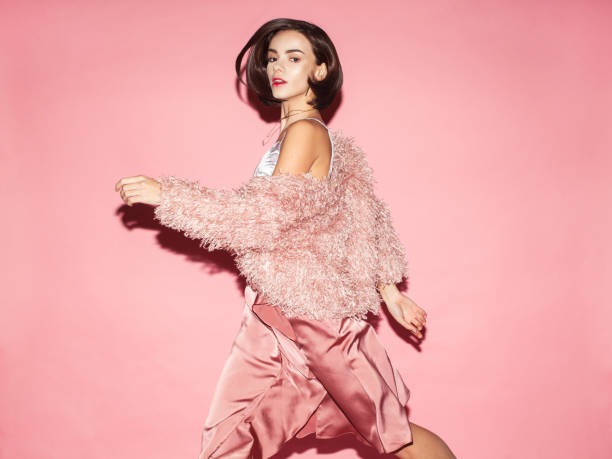
Kawaii fashion, originating from Japan, has grown into a global phenomenon characterized by its playful, cute aesthetics and vibrant color palettes. The term “kawaii” itself translates to “cute” or “adorable,” reflecting the core essence of this style. At the heart of kawaii fashion lies an intentional use of colors that not only enhances visual appeal but also conveys emotions and personality traits. The power of color styling in kawaii fashion is significant because it shapes how individuals express themselves while engaging with cultural trends that emphasize innocence, joy, and creativity.
Color choices in kawaii fashion often revolve around pastel shades such as soft pinks, baby blues, mint greens, and lavender tones. These hues evoke feelings of gentleness and warmth, making them ideal for creating an approachable and friendly look. Beyond pastels, bright and bold colors like vivid reds or sunny yellows are sometimes incorporated to add energy or highlight certain elements within an outfit. This strategic use of color helps wearers communicate mood or attitude without relying solely on garment shapes or accessories.
The interplay between different colors in kawaii outfits is carefully balanced to maintain harmony rather than overwhelming the senses. Color coordination often involves matching complementary tones or layering similar shades to create depth while preserving cohesion. For example, pairing a pastel pink blouse with Kawaii Fashion a light blue skirt can produce a visually soothing effect that aligns well with the overall theme of cuteness inherent in this style. Additionally, accentuating details such as bows, ribbons, or patterned socks using contrasting yet compatible colors can enhance focal points within an ensemble.
Moreover, color styling serves as a tool for individuality within the broader kawaii culture. Since many garments follow common design principles-like frills or oversized silhouettes-the choice and combination of colors become essential factors distinguishing one person’s interpretation from another’s. This flexibility allows enthusiasts to adapt traditional motifs into personalized expressions reflecting their tastes while still honoring kawaii’s foundational ideals.
Psychologically speaking, colors impact perceptions both internally for the wearer and externally among observers. Wearing soft pastels might induce calmness and positivity in oneself while inviting friendly interactions from others who associate these hues with kindness or youthfulness. Conversely, incorporating unexpected pops of neon could signal confidence or playfulness beyond typical expectations linked with cute attire.
In conclusion, kawaii fashion demonstrates how powerful thoughtful color styling can be when crafting meaningful personal statements through clothing. It highlights that beyond fabric choice or silhouette design lies a nuanced language where shades convey stories about identity and emotion seamlessly woven into everyday wearables embraced worldwide today.